English

 Home
Home Hotels


 Car Rental
 Rewards
 Travel Guide
Barcelona Beyond Gaudí: Neighborhood Vibes and Beachfront Secrets

Think Barcelona is just about Gaudí’s colorful buildings and wild designs? Then think again, because this city has a lot more to offer, and you are not ready for it. Sure, Gaudí has done amazing works in the city, but there’s a whole other side of the city waiting to be explored.
Step away from the crowded tourist spots, and you will find many peaceful neighborhoods packed with street food and hidden spots that are worth a visit. From the Pinteresty streets of El Raval to the laid-back beach life in Barceloneta, each district here has its own magic. Want to find the bar where locals actually go? Or the quiet beach without a single selfie stick? This guide will help you do just that. In this blog, we will explore the best streets, beaches, small bakeries, and everything a tourist desires in a city.
History
Barcelona was established by the Romans in 15 BC and initially called Barcino. They constructed walls bordering the city, some of which still exist in the Gothic Quarter. Later, in the 5th century, the Visigoths conquered the city and made it a small capital. In 711, the Moors captured the city, but their rule ended in 801, when Frankish troops drove them out of the city.
In the Middle Ages, the city prospered well with the help of trade and its own pirate-proof navy. In 1469, Barcelona joined Spain when Ferdinand of Aragon married Isabella of Castile—yes, the same couple who sent Columbus sailing. In 1714, after losing a war, Catalonia lost many rights, and locals are still salty about it. Later in the 19th century, the city was home to factories, smoky air, and a working class ready to riot. In the late 1800s, Gaudí started constructing cool buildings, making the city famous. In the 20th century, Barcelona survived a civil war, a dictatorship, and finally got the 1992 Olympics—plus better beaches!
Best Neighborhoods in Barcelona
Looking for the best places to visit in Barcelona beyond the usual tourist stops? Get ready to explore these cool neighborhoods, which many visitors often overlook.
Gràcia
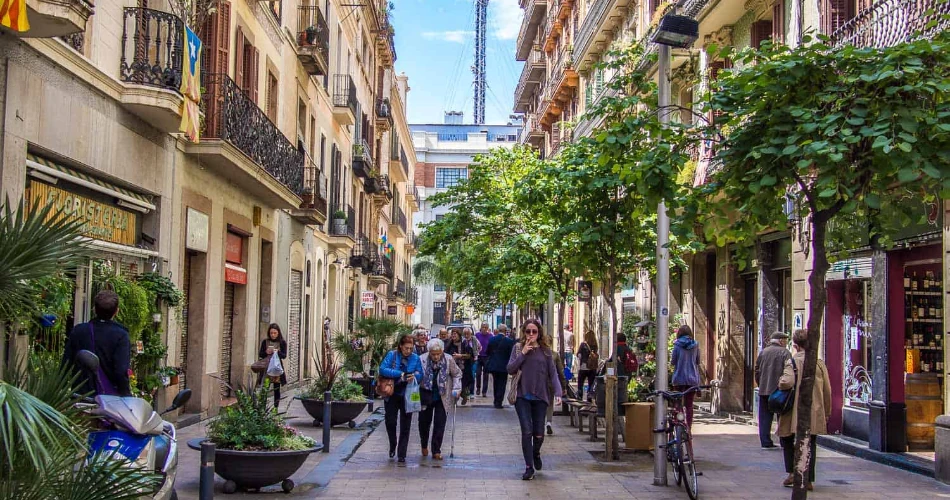
Gracia was an independent town until 1897; it became a part of Barcelona. This neighborhood features many narrow streets, and no cars are allowed here (sorry). Plaça del Sol is the central square here and is packed with people enjoying beer from corner shops. Every August, natives decorate the streets of this area for Festa Major with cool themes like “under the sea” or “outer space.” Gracia is also home to many vegan eateries, ancient cinemas, and cats watching people while relaxing on windowsills. People here mainly speak Catalan. Have you heard about the famous Park Güell? It is also in Gracia. Buildings here have mostly old frameworks with artsy and chill vibes.
Top hotels to stay in Gràcia:

 7.5
Good
7.5
Good
 8.5
Very good
8.5
Very good
Barceloneta
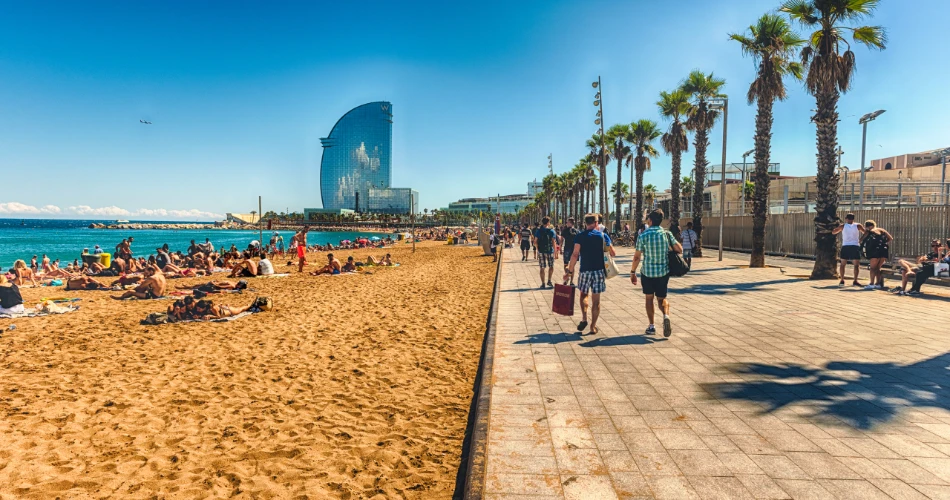
Barceloneta was constructed back in the 18th century for fishermen who lost their houses in the other parts of the city. The streets here are quite small, and buildings are short; in old times, locals used to dry their fish on the balconies, and now people take selfies here. Barceloneta is home to the city’s oldest public clock tower, which was built back in the 17th century. The neighborhood is packed with seafood eateries, and many locals here prefer cheap tapas bars hidden on side streets. You can also visit a museum here that offers insights about the sea.
Top hotels to stay in Barceloneta:
 10.0
Superb
10.0
Superb
 7.7
Good
7.7
Good
El Born
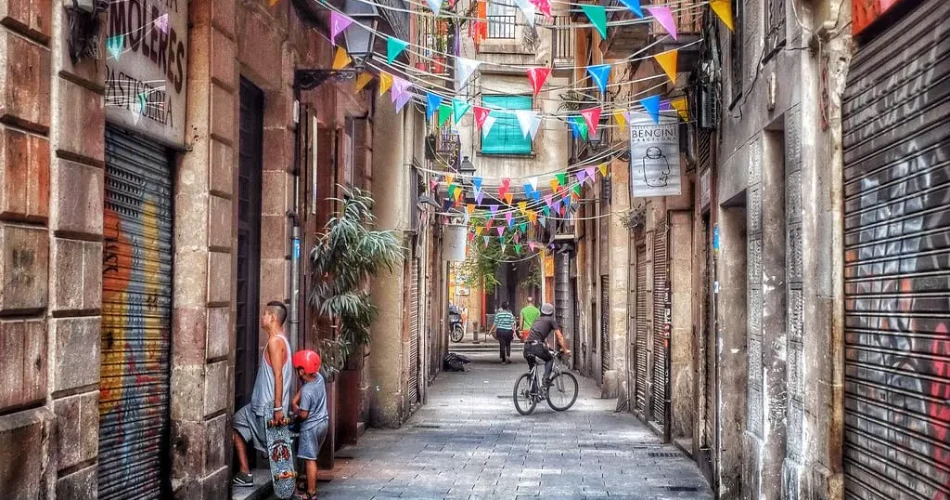
El Born was an old market area and home to many rich merchants in the 13th century. The name comes from the "born", or jousting field, which was once located there. Today, the old market building is now a great museum that shows ruins from a 1700s house, also no dragons have been found. The beautiful Santa Maria del Mar church is a must-visit here; it was finished in 1383 and still impresses everyone. El Born is home to many impressive art galleries, small designer shops, and bars with strong drinks. The famous Picasso Museum is also located here, featuring over 4,000 of his works, many without noses. The streets are narrow and twisty, so getting lost is normal (and fun). Locals here love to hang out in Passeig del Born with craft beer or vermouth, and unfortunately, there are no beaches, but you’re close enough to smell the sea.
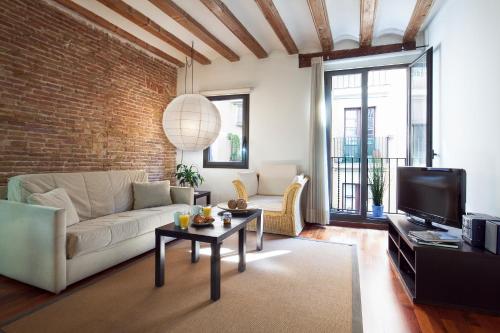
Top hotels to stay in El Born:
 8.7
Very good
8.7
Very good
 9.0
Superb
9.0
Superb

Best Beaches in Barcelona
Going to the beach is one of the best things to do in Barcelona. You can swim, relax, or eat by the sea; it's truly an exceptional experience. Some of the best beaches in Barcelona are:
Barceloneta Beach
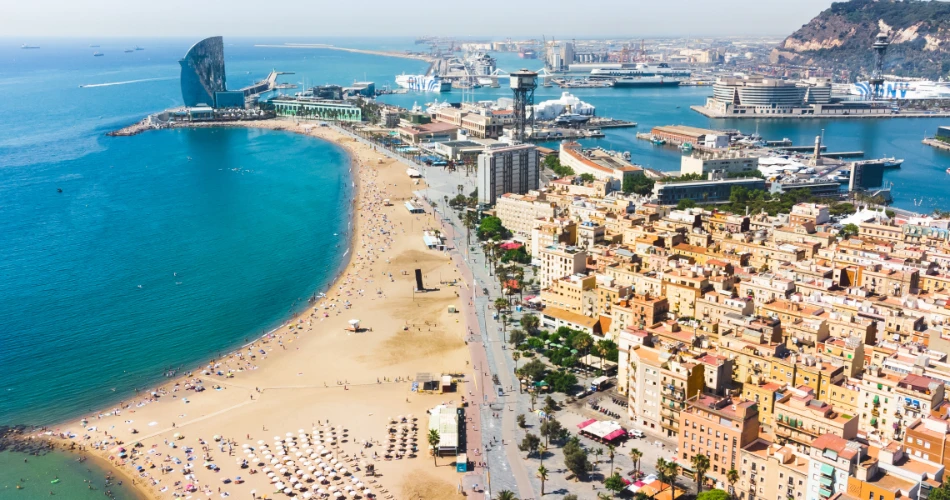
Barceloneta Beach is one of the famous beaches in Barcelona and was reconstructed for the 1992 Olympics. The beach was renovated very carefully with sand exported from Egypt. It gets super crowded during summer, and the boardwalk here is packed with joggers, roller skaters, and people selling mojitos from coolers. The beach spans over 1.1 km and features lifeguards, showers, and many volleyball nets too. The giant shiny fish sculpture by Frank Gehry sits nearby. The beach also has rentals, like you can rent an umbrella, and is situated close to the old fishing neighborhood of Barceloneta, where you can eat paella. The water is usually calm, but not crystal clear. Expect music, muscles, and more than one guy in Speedo.
Sant Sebastià Beach
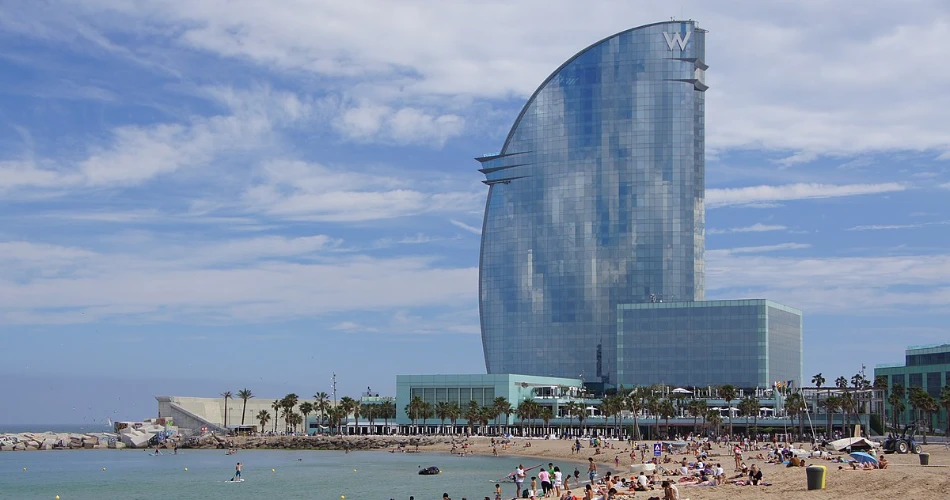
Sant Sebastià Beach is one of the oldest beaches in Barcelona, and is located next to Barceloneta Beach. This beach extends over a kilometer and attracts both locals and tourists alike. It’s known for being more relaxed and has a mixed crowd. Sant Sebastià is popular with older locals who swim early in the morning, and even in winter! Lifeguards work here in summer, and there are showers and sunbeds for rent and for your ease. You’ll also find a couple of beach bars, or chiringuitos, serving cold drinks and fried squid. The water is deeper and quicker than at Barceloneta. Dogs are not allowed, but pigeons visit anyway, and sunsets here look great in selfies.
Bogatell Beach
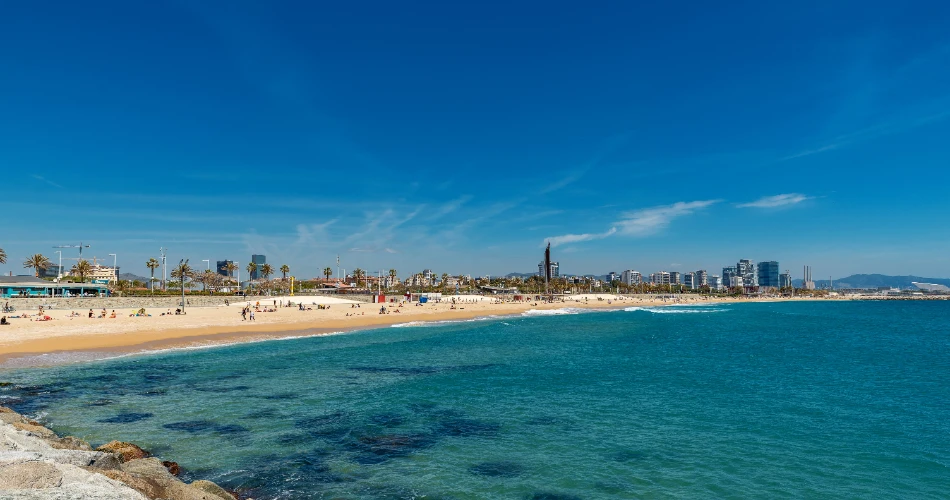
Bogatell Beach spans over an area of 700 meters and was also created for the 1992 Olympics. It’s farther from the city center, so it’s usually less crowded and cleaner (bonus). Many locals prefer Bogatell because of fewer loud tourists and no mojito guys yelling every 5 minutes. The beach also features many volleyball courts, ping-pong tables, and even a small outdoor gym—yes, people actually use it. The water is clearer than at Barceloneta and is good for swimming too. Lifeguards are always present in summer, and there are showers, toilets, and a few quiet chiringuitos. There’s a bike trail too, and lots of space for running or skating. It’s close to the Poblenou neighborhood, where you can find great coffee and better sandwiches.
Best Things to Do in Barcelona
Looking for the best Barcelona tourist attractions beyond the busy streets and beaches? Make sure you don’t miss the following:
Venture up Montjuïc

Montjuïc is a huge hill located near the sea in Barcelona, and you can easily get there by bus, cable car, or, if you like pain, walking uphill. The 1929 World’s Fair happened here, so there are fancy buildings like the Palau Nacional, which now holds the MNAC art museum, and there’s also Montjuïc Castle, an old military fortress with nice views and zero actual knights. The Magic Fountain has light and music shows at night. It is a very cool attraction and worth a visit. The Olympic Stadium from the 1992 Games is still here, and Montjuïc is home to many gardens, sculptures, and lots of quiet spots for picnics or naps. You can even find a cactus garden (sharp but pretty). Warning: your phone may die from all the photos, and aftereffects may include the desire to come back again.
Escape to the hills at Parc Natural de Collserola
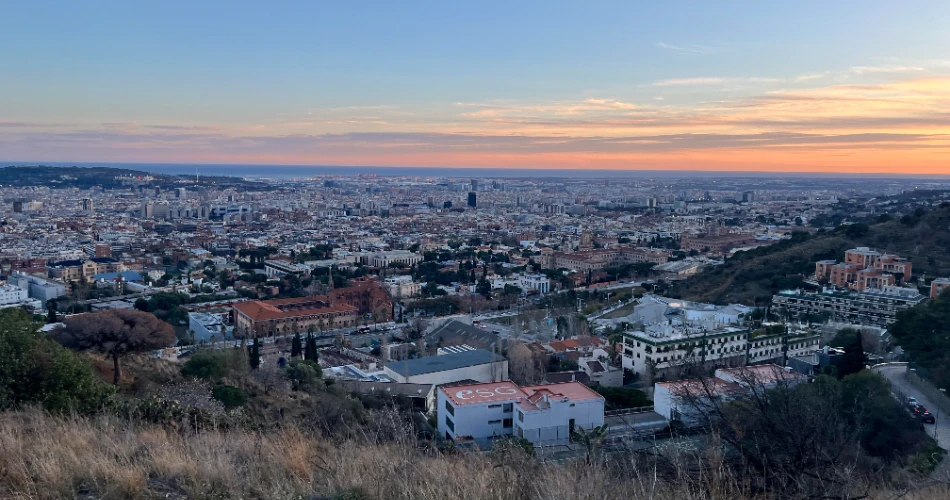
Parc Natural de Collserola is the huge green area behind Barcelona. Fun fact: It’s actually 8,000 hectares big, which is bigger than the city itself! Locals come here to walk, bike, or escape loud scooters because the air is fresher, and the squirrels here are less stressed when they are jumping on the walls. There are over 190 kinds of animals present in the area, along with 1,000 kinds of plants. The park also features many marked trails and picnic tables. The famous Tibidabo Mountain is inside the park and has a church and an old amusement park with a creepy Ferris wheel. You can see all of Barcelona from the top, yes, even your hotel. There’s also the Collserola Tower, a tall TV tower that looks like a spaceship. Bring water, comfy shoes, and maybe a friend who won’t complain about hiking.
Visit medieval Reial Monestir de Santa Maria de Pedralbes
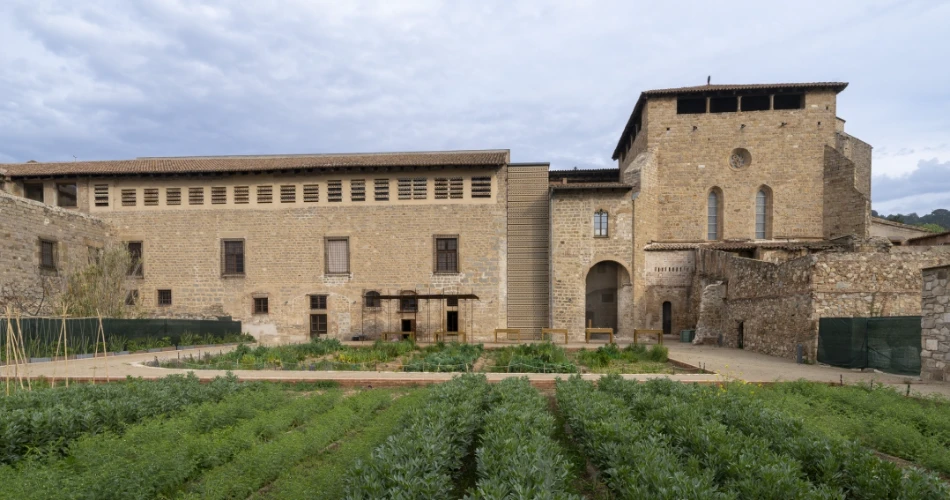
The Reial Monestir de Santa Maria de Pedralbes is a peaceful ancient monastery that was built in 1327. Queen Elisenda established it, and she even moved in here after her husband, King Jaume II, died. The monastery is in the Pedralbes neighborhood, which is peaceful and packed with many trees (and fancy houses). The building features a beautiful Gothic framework, including a big cloister with three levels, which are basically monk balconies. Nuns lived here for centuries and kept it super clean. As you step inside, there’s a church, a small museum, and rooms with old furniture and creepy-looking saint statues. You can also see old wall paintings, no emojis, just angels. The gardens grow herbs and oranges, but sadly, no free snacks.
Transportation in Barcelona
The metros in Barcelona feature over 8 lines and approximately 150 stations. It runs from 5 AM to midnight on weekdays and later on weekends. Trains come every 3–5 minutes, unless you're in a hurry, then they’re slower, of course.
Buses go all over the city, and the night buses (called NitBus) work while most people sleep or party in them. Trams are clean, green, and great for slow sightseeing and taking pictures. Taxis are black and yellow, they use meters, and are everywhere, except when it's raining.
You can rent bikes or electric scooters, but try not to hit a tourist or a palm tree. The Hola Barcelona card gives unlimited rides on the metro, bus, tram, and train. From the airport, you can take a metro, bus, train, or taxi — your choice, your stress.
Best Restaurants in Barcelona
Hungry for something special in the city? The restaurants mentioned below are a must-visit then. Let's see what they have to offer.
La Lolita Barcelona
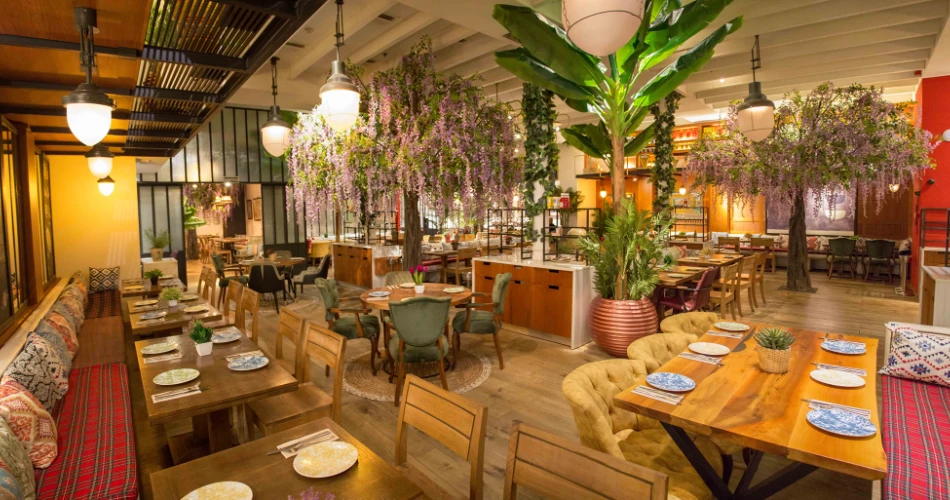
La Lolita is a famous, quaint tapas bar in the city, situated near the Sant Antoni area. It was established back in 2010 and is famous for its awesome food options and creativity. The must-try here is the patatas bravas, which are crispy, spicy, and probably too good to share.
They also serve many meats, fresh seafood, and authentic Catalan dishes. The place is small yet very cute and fills up quite fast. The interiors feature cool lights, friendly staff, and wooden furniture. Prices are fair, not tourist-trap crazy.
Address: Rambla de Catalunya, 27, Local, Eixample, 08007 Barcelona, Spain
Disfrutar Barcelona
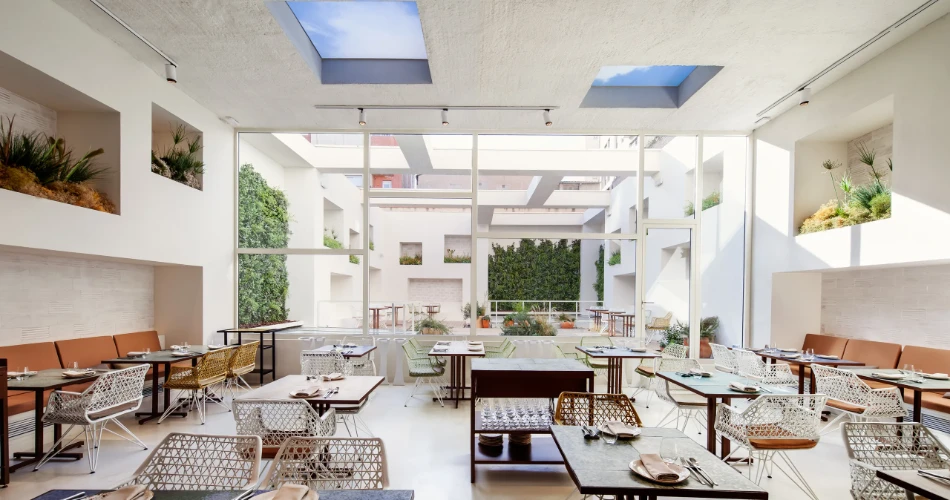
Disfrutar opened to the public back in 2014 and has three chefs who used to work in El Bulli, a globally renowned eatery. It has two Michelin stars and is located in the Eixample area. The food here is quite yummy and creative.
Like, there is one dish that looks exactly like a candle, but it's cheese. Another one looks like a pearl, but it's yogurt. There are tasting menus only, and yes, they are long, but fun. Service is fancy but friendly. It’s not cheap, but people say it’s an experience.
Address: Carrer de Villarroel, 163, L'Eixample, 08036 Barcelona, Spain
In a Nutshell
The above-mentioned are the best things to see in Barcelona! Barcelona is a wonderful city and packed with many attractions; whether you're a history lover or just someone who needs fun, this city has it all!
Next post A Complete Guide to Edinburgh, Scotland
Previous Post 9 Ancient Roman Roads That Still Exist Today in Europe
About Author