English

 Home
Home Hotels


 Car Rental
 Rewards
 Travel Guide
9 Ancient Roman Roads That Still Exist Today in Europe


Ever feel like your city can’t fix a pothole in under five years? Well, the ancient Romans are here to shame us all, because even 2,000 years later, some of their roads are still smooth like butter. Ever imagined that some of the oldest roads that are centuries old still exist and are in perfect condition? Then welcome to the realm of the Roman roads, which are still used by people and offer perfect opportunities for pictures and great experiences.
These stone roads weren’t just constructed for transport but were built to conquer. Soldiers, famous merchants, and even emperors have passed these roads like they owned them. Today, many of these roads still crisscross Europe, concealing themselves below the modern highways and challenging your Google Maps. In this blog, we will explore the best Roman roads in Europe that still offer perfect road trips and experiences. Let's go!
Via Flaminia, Italy
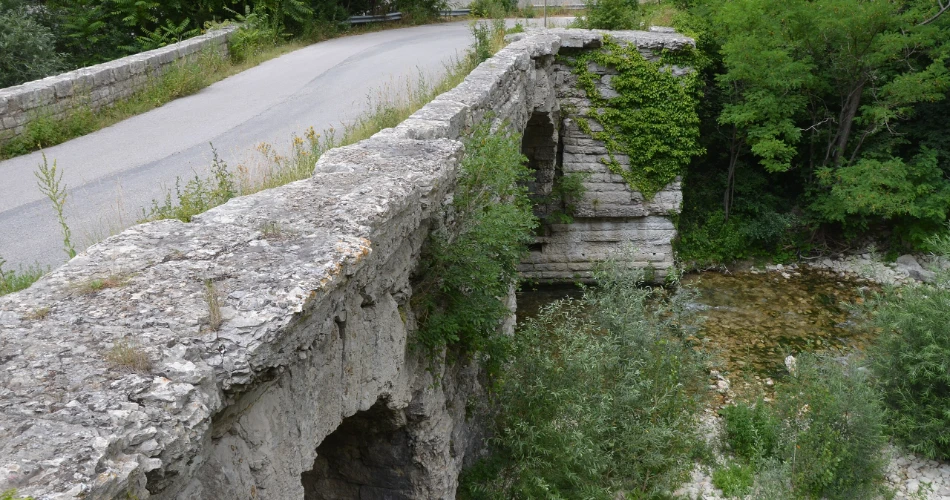
The Via Flaminia was an ancient road that was built back in 220 BCE by Roman censor Gaius Flaminius. It linked Rome to the city of Ariminum (modern Rimini) and crossed the Apennine Mountains using bridges and tunnels. The road played a significant role in moving Roman troops to the northern side. Roman milestones still mark its path, and many parts of this road are now under modern highways.
This road extends over 300 kilometers and passes through cities like Narni and Spoleto. As you cross the road, you can still see stone paves and Roman bridges, which are perfect for pictures.
Via Aurelia, Italy
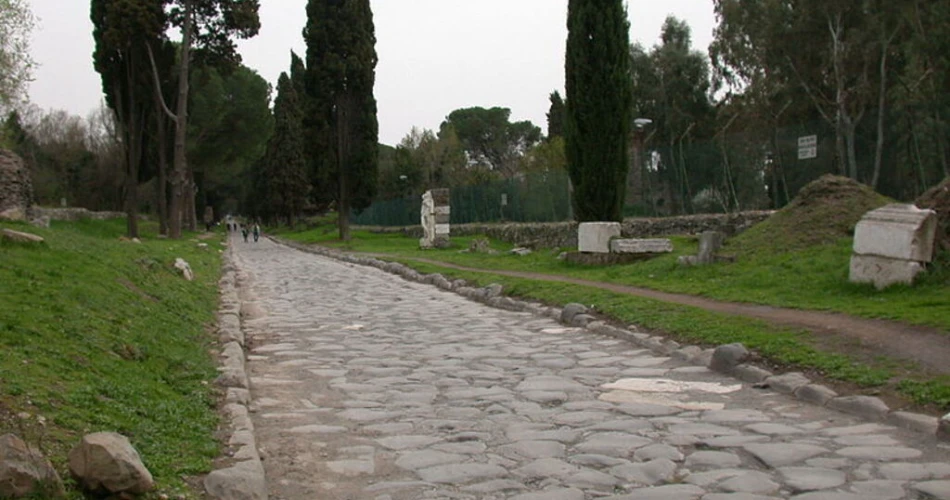
The Via Aurelia was constructed back in 241 BCE by Gaius Aurelius Cotta. The road begins from Rome and passes through the Tyrrhenian Sea coast. The road first led to Pisa but was later spanned to Genoa and France. The purpose of the road was to use it for trade and military supplies.
The Roman engineers built the road using many stone slabs over a thick, solid base. Today, many areas of the roads are below newly constructed highways. The roads also pass through coastal areas like Civitavecchia, offering opportunities to take loads of Insta pics. The Via Aurelia helped Rome maintain control over the western coastal regions and was a key Roman route to Gaul.
Via Augusta, Spain
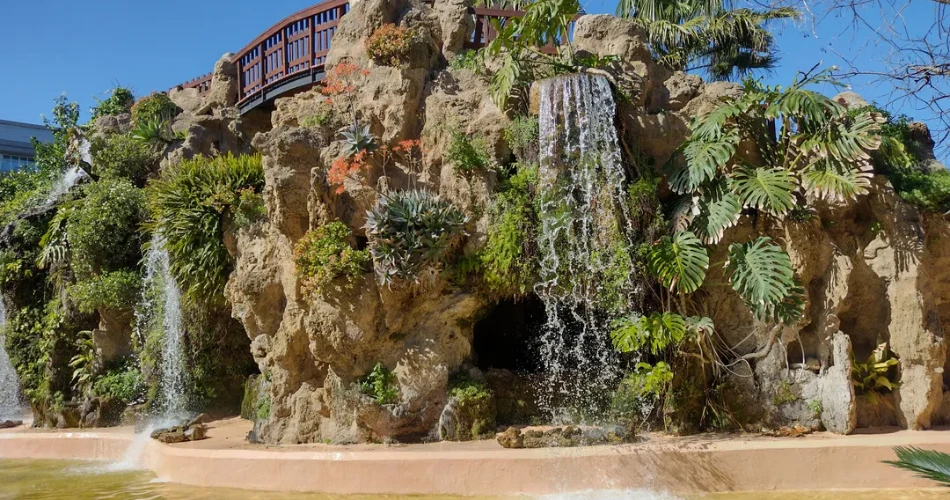
The Via Augusta is a standout among the ancient Roman roads in Hispania and was known as the longest road, spanning over 15,000 kilometers. The Roman emperor Augustus was the one who ordered its construction in the 1st century. It used to pass through the Pyrenees to Cádiz and follow old Iberian paths and connected Roman cities.
The road was also linked to areas like Valencia, Tarragona, and Seville. Via Augusta featured many stone milestones called “miliaria” with marked distances, and some of these stones still exist today. This road assisted the Romans in controlling the Iberian Peninsula and allowed soldiers and traders to move quickly across Spain.
Stane Street, England
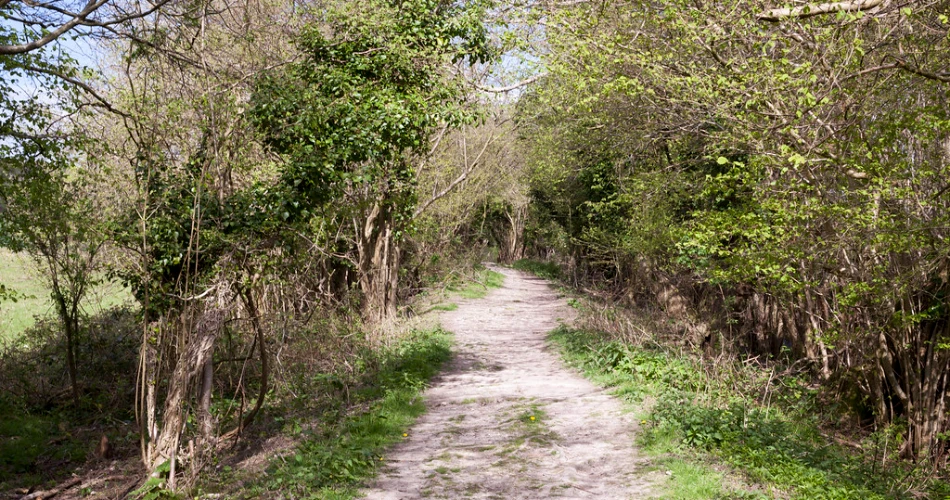
Stane Street was a Roman road in Britain that was constructed back in the 1st century CE. It used to link Londinium (London) to Noviomagus Reginorum (Chichester). The road extended over 90 kilometers, and Roman engineers built it straight and firm with the help of good-quality gravel and stone. It used to pass through lively towns like Ewell and Pulborough.
Today, many areas of the road can still be seen in the countryside, and they are pretty awesome for photos and memories. Some modern roads still follow their original path. Stane Street was a great help to the Romans in the past as it used to move troops and goods quickly across southern England. It was one of Britain’s major Roman roads.
Via Appia (Appian Way), Italy
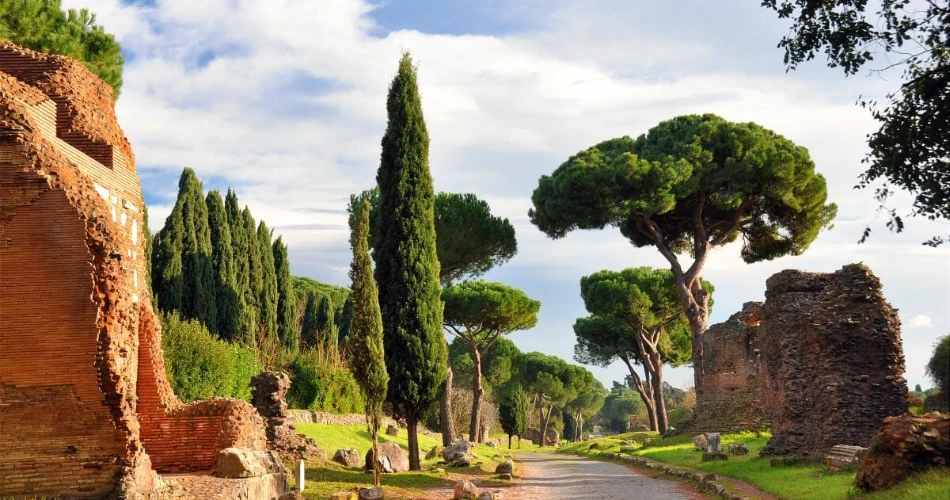
The Via Appia was one of the oldest Roman roads that was constructed in the year 312 BCE. The road was used to connect Rome to the southern city of Brundisium (now Brindisi). This old road was built using large stone slabs placed tightly together, and its purpose was to travel and transport military goods.
It was also used for trade and communication. The Via Appia covered an area of 560 kilometers, and many areas of the road are still visible and walkable. It passed through cities like Capua and Benevento, and you can even see tombs and old ruins bordering this ancient route. The road helped Rome control and expand in southern Italy.
Watling Street, England
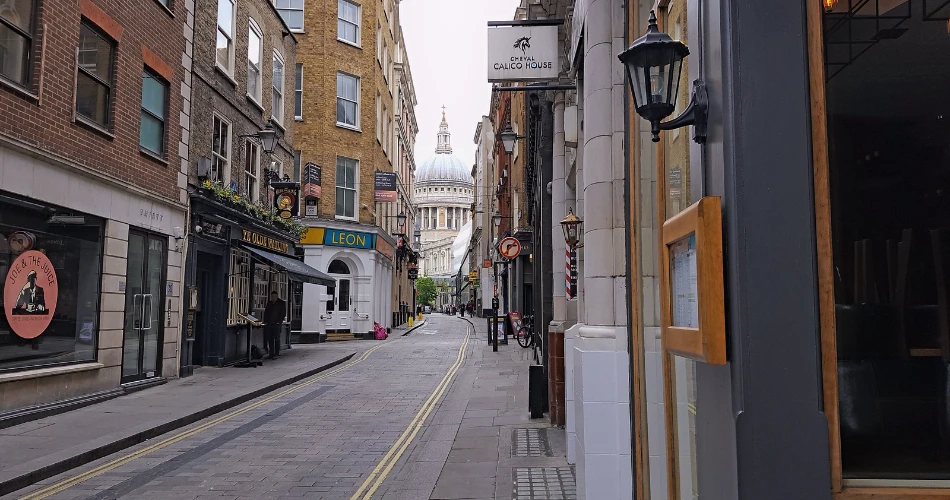
Watling Street was a Roman road that used to link Dover to Wroxeter in Britain. It used to pass through areas like Londinium (London) and Verulamium (St Albans). The Romans constructed this road in the 1st century, and the purpose was to use it for military and trade.
The road had a solid framework and was made with stone, gravel, and sand layers. Many parts of Watling Street followed earlier Iron Age tracks. You can also see many Roman milestones and remains along the route. Today, some parts of the road are under sections of modern roads like the A2 and A5. The roads also assisted the Romans in moving troops across southern and central England.
Via Egnatia, Albania, North Macedonia, Greece, Turkey
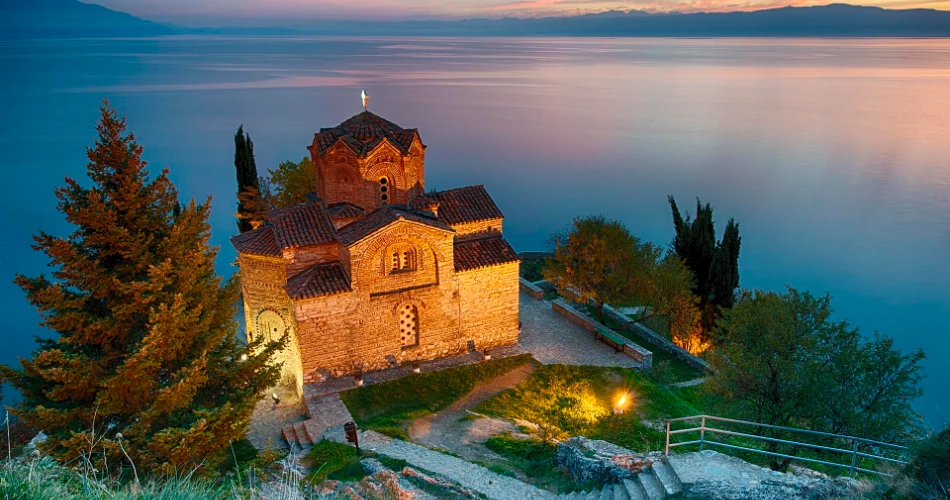
The Via Egnatia was a famous road constructed back in the 2nd century BCE and used to link Dyrrachium (modern Durrës, Albania) to Byzantium (now Istanbul, Turkey). The road used to pass through areas like Thessalonica and Philippi and extended over 11,000 kilometers across the Balkans. The road was also used to connect Rome with the eastern provinces.
Via Egnatia was constructed strategically by Roman engineers using large paving stones over a strong foundation. Parts of the road are still visible in modern Albania, North Macedonia, and Greece.
Via Claudia Augusta, Italy, Austria, Germany
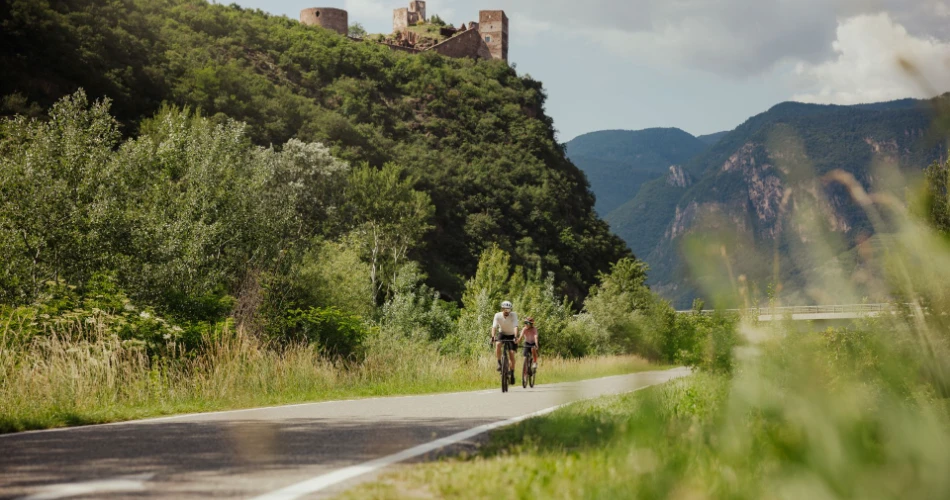
The Via Claudia Augusta was a Roman road built back in 15 BCE and used to link the Po River valley in Italy to the Danube River in Germany. The road used to pass through the Alps using mountain passes like Reschen Pass and offered beautiful views.
It used to span over about 500 kilometers and linked cities like Verona, Trento, and Augsburg. Roman engineers constructed it with strong stone paving and drainage, making it useful for military movement and trade. Stone markers with Latin inscriptions still exist today, and many parts of the road are visible in Italy, Austria, and Germany.
Via Domitia, France
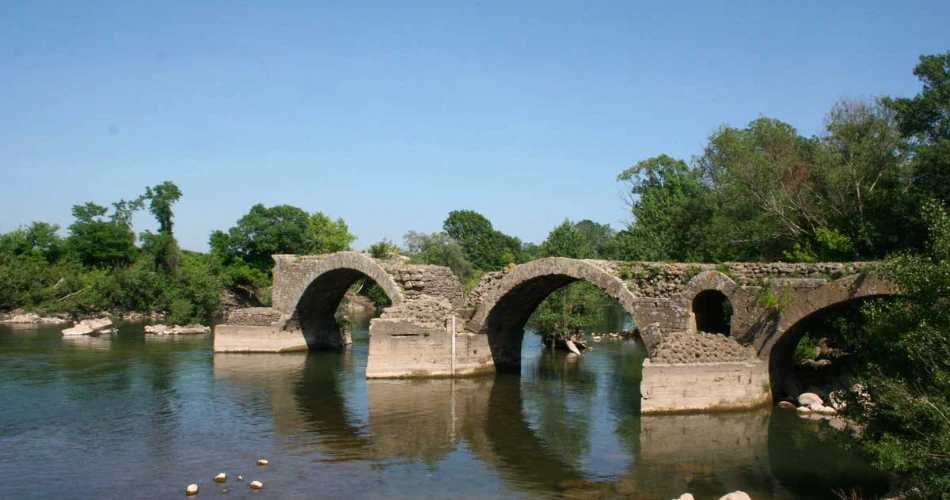
The Via Domitia was the earliest Roman road built in 118 BCE in the area of Gaul. It used to connect Italy to Spain through southern France, linking cities such as Nîmes, Narbonne, and Perpignan. The road followed the ancient trade routes through the Rhône Valley and the Pyrenees.
Roman engineers strategically constructed it using materials like stone paving and built bridges and milestones. The road was built under the orders of proconsul Gnaeus Domitius Ahenobarbus and allowed access to the Roman armies and goods across Gaul. Sections of the road and original bridges still survive today.
Next post Barcelona Beyond Gaudí: Neighborhood Vibes and Beachfront Secrets
Previous Post The Best Witchy Places in Europe
About Author