English

 Home
Home Hotels


 Car Rental
 Rewards
 Travel Guide
The Best Witchy Places in Europe


Grab your broomstick and set off on this magical journey of exploring witchy sites in Europe! Yes, you read that right! Europe is packed with witchy magic — from old towns to forests that have broom parking. And yes, this isn’t some type of Halloween fluff. In fact, many places in Europe have deep ties to real witch trials, pagan rituals, and spooky legends that will make your cauldron bubble with excitement.
Whether you are someone who loves witches or knows how to cast a spell, these destinations serve serious magical and spooky vibes. Dance where witches once gathered in Germany? Or sip herbal tea in an English village? Europe has it all — no wand required. In this blog, we will explore the best witchy places in Europe, offering magic, creepy history, and a fun adventure. So, let's fly to these places!
Harz Mountains, Northern Germany

The Harz Mountains are a beautiful destination located in the northern area of Germany and are quite famous for their strong link with witch legends. The region is best explored for the Brocken, which has the highest peak at an elevation of 1,141 meters. According to an ancient German myth, witches gather on the Brocken every year on April 30th for Walpurgis Night.
Even though the legend is a little bit spooky, this night also marks the arrival of spring and includes costumes, fires, and music. The tradition is basically based on old beliefs about spirits and witches. The Brocken has long been associated with supernatural sightings due to frequent fog and storms. You can also visit towns like Thale and Wernigerode to see their yearly Walpurgis festivals that feature witch parades as well. Visitors can see witch statues, themed shops, and folklore museums throughout the region.
The Hexentanzplatz, or “Witches’ Dance Floor,” in Thale is a famous plateau linked to ancient pagan rituals and is a must-visit if you are into this eerie stuff.
Pendle Hill, England

Pendle Hill is a popular place to visit if you like witchy locations. Let us warn you — it has quite a spooky past, so not for the faint-hearted ones. This place is situated in Lancashire, England, and is closely linked to the Pendle witch trials of 1612. Yes, the same ones in which twelve people from the district were accused of witchcraft.
Of the 12 people, ten were actually found guilty and hanged at Lancaster Castle. The accused belonged to prestigious families and were believed to use witchcraft to harm others. The trials are among the most famous in English history. Pendle Hill remains a key site for those interested in witchcraft and folklore. Visitors love to walk along the Pendle Witch Trail, which passes through regions like Barley and Newchurch.
And by the way, the hill is famous for paranormal activities with strange legends and ghost sightings (yes, as we said, not for weak-hearted ones). A statue of Alice Nutter, one of the accused, stands in the town of Roughlee. Every Halloween, many events are hosted here to remember the story; there are even books and museums with guided tours to keep the story alive.
Broceliande Forest, Brittany, France
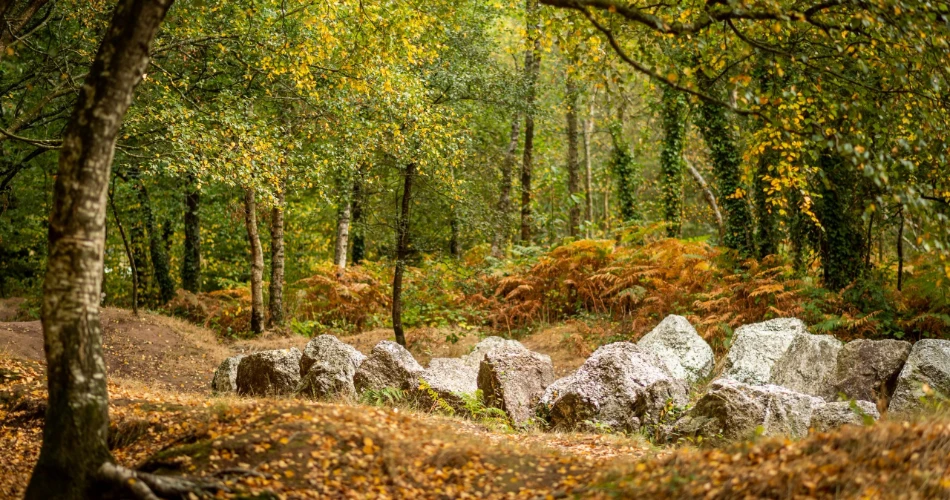
The Brocéliande Forest is situated in Brittany, France, and is famous for its strong links to legends and magic. It is often linked to the Arthurian tales, especially those of Merlin the wizard. The forest is believed to be the homeland of the Lady of the Lake, who gave King Arthur his sword, Excalibur.
A location known as the Tomb of Merlin is located within the forest and is visited by people who are interested in magic and seek inspiration. The Val sans Retour, or “Valley of No Return,” is a must-visit and is linked to the sorceress Morgan le Fay. The forest is also related to old megaliths and holy springs that have been used in local rituals. Many legends say that magical beings live in the woods. How cool is that!
Walking paths and signs guide visitors to key mythical sites. Local guides also offer storytelling tours based on Celtic and medieval lore, so make sure to attend them.
Museum of Icelandic Sorcery & Witchcraft, Hólmavík
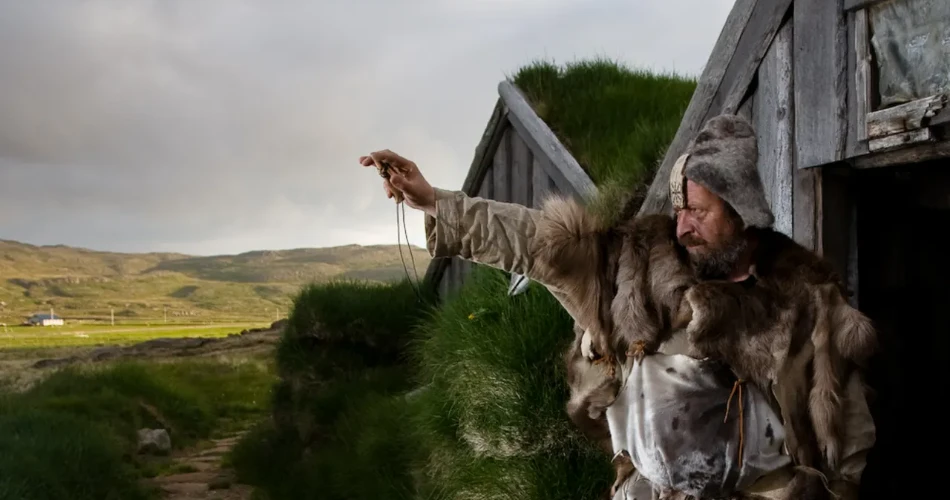
The Museum of Icelandic Sorcery & Witchcraft, also famous as Galdrasýning á Ströndum, is situated in the Hólmavík region of remote Westfjords in Iceland. The museum was established back in June 2000 and features the rich history of Iceland’s witch hunts and magical traditions from the 17th century.
Exhibits include grimoires, runic magical staves that are called galdrastafir, and interesting stories of sorcerers who kind of faced trials and execution under Danish law in the 1600s (yes, it's very interesting). The top floor focuses on genealogy and records of accused sorcerers and their accusers. The museum also offers guided tours in multiple languages, including English, French, and German.
Visitors usually receive a 30-minute audio guide to explore the exhibits nicely. A second site, the Sorcerer’s Cottage, lies 28 kilometers north and shows traditional magical living. The museum also has a restaurant, Galdur, which is known for its local seafood and traditional soup. It remains the main center for Icelandic magical folklore and continues to attract people interested in real witchcraft history.
Next post 9 Ancient Roman Roads That Still Exist Today in Europe
Previous Post A Complete Guide to Colmar, France
About Author