English

 Home
Home Hotels


 Car Rental
 Rewards
 Travel Guide
Europe’s Oldest Pilgrimage Routes (And Why Are They Important)

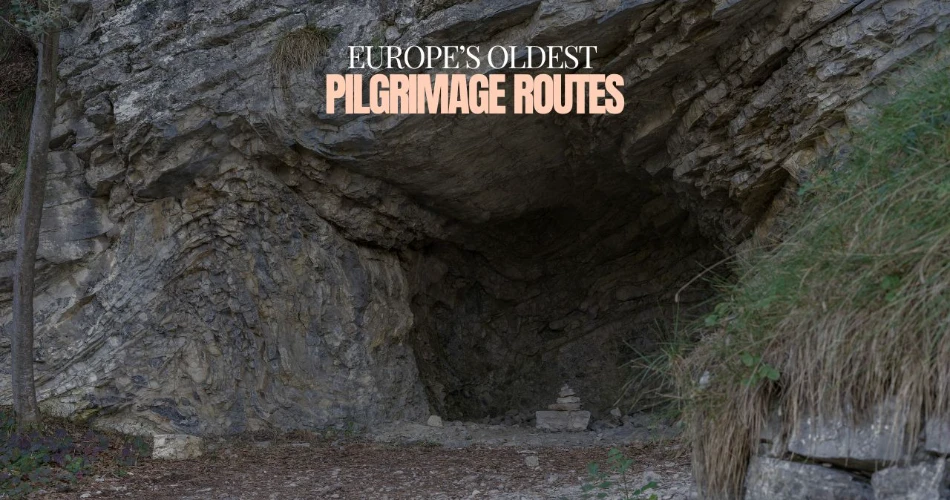
Were you aware that people have been walking across Europe on purpose for over 1000 years? And all without comfy shoes, GPS, or a good playlist on Spotify. But, Why? Well, let us introduce you to the oldest pilgrimage routes in Europe! These old pathtracks aren’t just for sightseeing or hiking to burn calories. Nope. People visited them to explore peace, find faith, and maybe to have a little adventure!
But, really, why are these routes even a big deal in the modern era? What makes someone suddenly have the urge to walk hundreds of miles when they have vehicles to travel in? From the famous Münchner Jakobsweg in Germany to the gate-kept Via Francigena in Italy, these trails have secrets of history, culture, and a whole lot of blisters. In this blog, we’ll explore the importance of these amazing highways and the stories behind them. Let’s go!
St Cuthbert’s Way
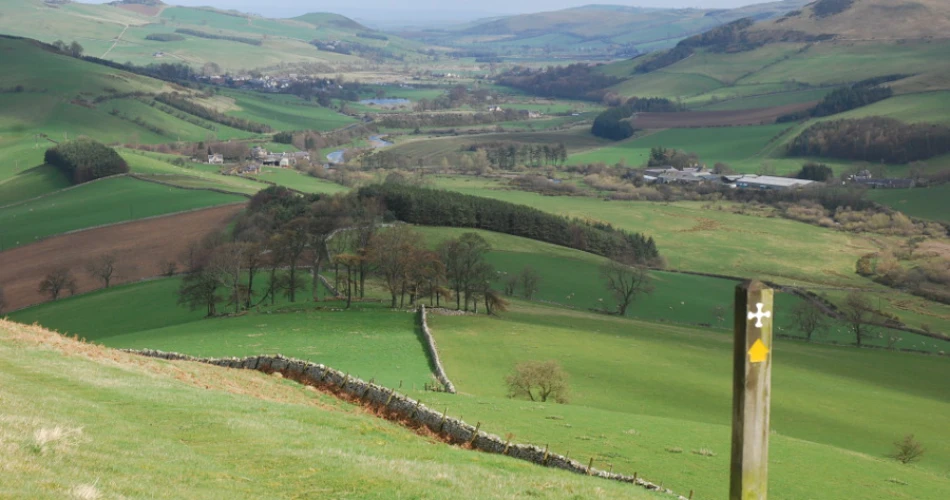
St Cuthbert’s Way is a 100km (62-mile) pilgrimage route from Melrose in Scotland to Lindisfarne (Holy Island) in England. It follows the journey of St Cuthbert, a 7th-century monk, bishop, and hermit who was basically the celebrity saint of Northumbria. The route was created in 1996 but follows real places where Cuthbert lived, preached, and prayed. It starts at Melrose Abbey, where Cuthbert began his monastic life as a monk.
Pilgrims walk through the beautiful Scottish Borders and Northumberland countryside, hills, rivers, and lots of sheep. The path ends at Lindisfarne, one of the most sacred Christian sites in the UK, where Cuthbert was buried. Pilgrims must check the tide times, because Holy Island becomes an island twice a day!
St Cuthbert was known for miracles, love of nature, and possibly talking to otters (seriously). This route is sacred because it honours his life, faith, and peaceful legacy.
The Pilgrims’ Way

The Pilgrims’ Way is an old route from Winchester to Canterbury in England, 192km (119 miles) long, and it was famous in the Middle Ages as the route pilgrims took to visit the shrine of Saint Thomas Becket. Thomas Becket was the Archbishop of Canterbury who was murdered in Canterbury Cathedral in 1170. Soon after his death, people believed miracles happened at his tomb, so they walked there, lots of them!
The route mostly follows old trackways along the chalk ridge of the North Downs because no one liked walking on muddy roads, not even medieval pilgrims. It passes historic sites like Farnham, Rochester, and Boxley Abbey. Pilgrims walked this way for healing, forgiveness, and maybe to collect some saintly souvenirs. The path ends at Canterbury Cathedral, one of the most important religious sites in England. And yes, Geoffrey Chaucer’s Canterbury Tales is based on people actually walking this route and telling stories!
Via De La Plata
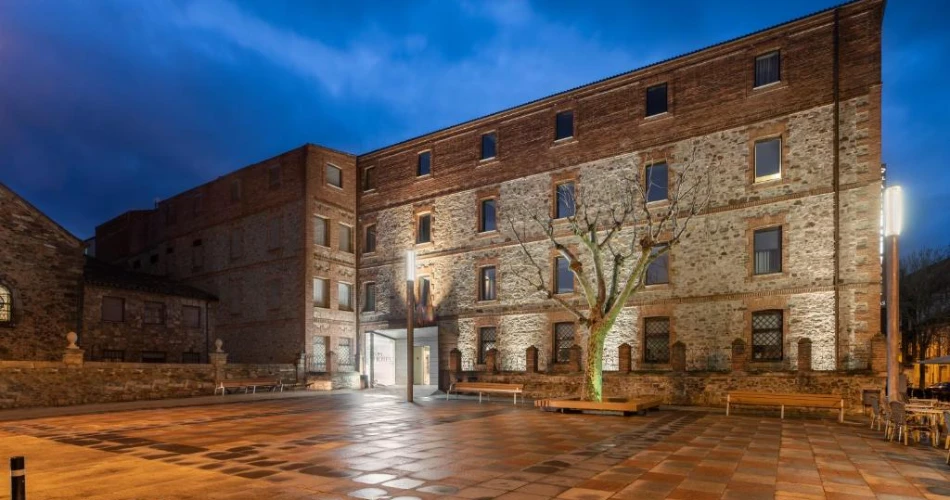
The Via De La Plata is a super long pilgrimage route in Spain, 1,000km from Seville to Santiago de Compostela. It follows an old Roman road, so pilgrims walk where Roman soldiers once marched (minus the sandals and spears). The name means “Silver Way,” but sorry, there’s no actual silver on the trail!
In old times, Christians from the south used this route to get to the tomb of Saint James in Santiago. The path goes through historic cities like Mérida, Cáceres, Salamanca, and Zamora, so yes, pilgrims get a free history lesson with every step.
This route is sacred because it connects faith, history, and the story of Saint James, one of Jesus’s apostles. It’s also one of the quietest Camino routes, ideal if you like peaceful walking, Roman ruins, and less snoring in hostels. And yes, the food along the way? Totally worth walking for.
Via Di Francesco
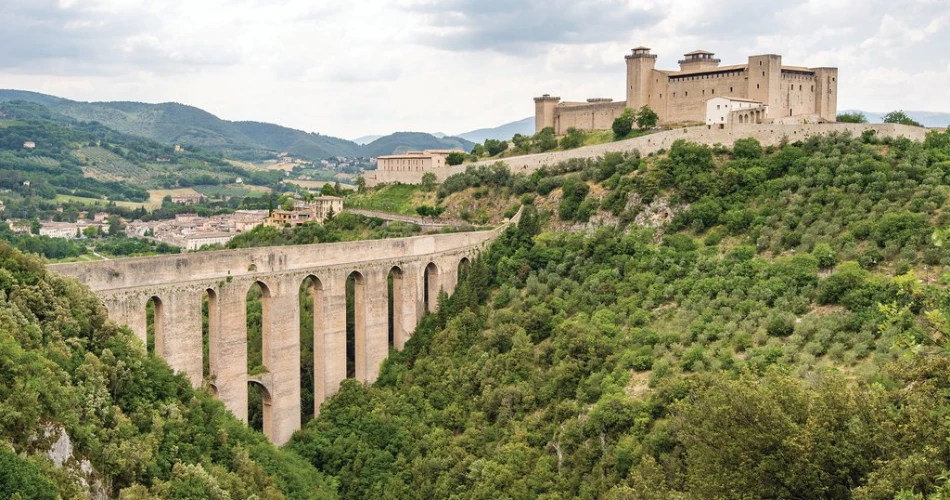
The Via Di Francesco is a pilgrimage route in Italy that follows the life of Saint Francis of Assisi, who loved peace, animals, and walking a lot. It’s 550km (about 340 miles) from Florence or La Verna to Rome; La Verna is where Saint Francis received the stigmata (wounds like Jesus), which is a big deal in Christian history.
The path goes through places where Francis actually lived, preached, and hugged trees – like Assisi, his hometown, and Greccio, where he invented the first nativity scene (yes, the Christmas one). It passes mountains, olive groves, and aloof monasteries, so pilgrims get sore legs and beautiful views. This path is special because it follows Saint Francis’s real footsteps – he’s one of the most loved saints ever.
Via Francigena

The Via Francigena is an old pilgrimage walking way that runs from Canterbury, England, to Rome, Italy—2,000 kilometers (1,200 miles)! It was first walked in 990 AD by Sigeric, an archbishop who wrote down all 80 stops on his journey to meet the Pope. Yes, he made a kind of historic travel blog! The path goes through England, France, Switzerland, and Italy, over the Alps and Apennines—so bring strong stamina and snacks. Pilgrims used it to get to Rome, one of the holiest cities in Christianity, home to St. Peter’s tomb and the Vatican. The trail passes through historic towns like Reims, Lausanne, and Siena, with cathedrals, castles, and lots of pasta. It’s holy because it connects people to Rome, faith, and centuries of pilgrim stories.
Münchner Jakobsweg
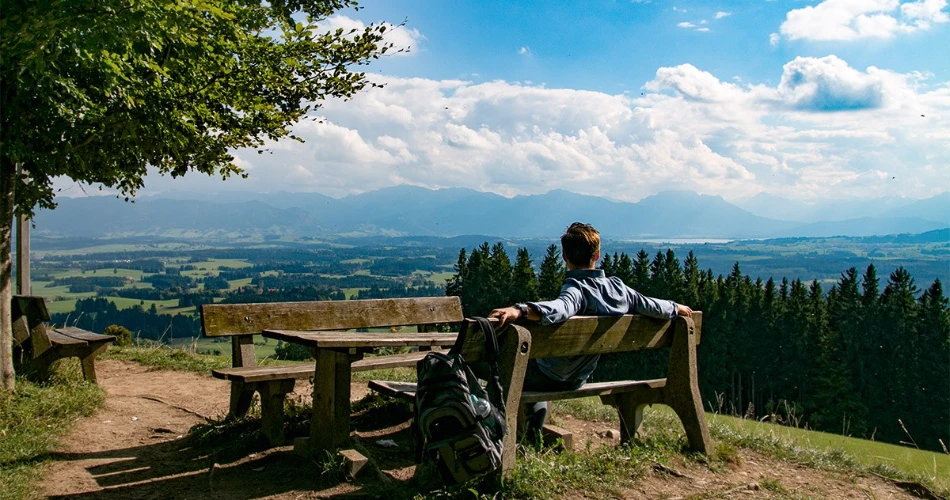
The Münchner Jakobsweg is a pilgrimage route that starts in Munich, Germany, and joins the Camino de Santiago in Switzerland and France. It’s about 300 km (186 miles) long, depending on your exact path (and how often you get lost). Walking along this path is one of the best things to do in Europe, once made for modern pilgrims to connect Germany to the famous Way of St. James.
The route starts at St. James Church in Munich and goes through towns like Lake Ammersee, Lindau, and Bregenz in Austria. It goes through the beautiful Bavarian countryside, with cows, mountains, and possibly yodeling.
Pilgrims follow the scallop shell signs, the old symbol of Saint James, one of Jesus’s apostles. This path is sacred because it links to the bigger network of Camino paths that end in Santiago de Compostela, Spain.
In a nutshell, traveling through these pilgrim sites is a must-do in Europe! These sites are packed with history and religious stories, ideal for every history lover!
Next post How to Squeeze One Day in Vienna? The Best Things to Do!
Previous Post Porto on Foot: Exploring Portugal’s Most Romantic City
About Author