English

 Home
Home Hotels


 Car Rental
 Rewards
 Travel Guide
10 UNESCO World Heritage Sites in Europe You Haven’t Heard Of

Europe is one of the interesting continents in the world and features over 400 UNESCO World Heritage Sites. People are only aware of the known ones, like the Colosseum and the Eiffel Tower. We are talking about the hidden UNESCO spots that no one knows of. From the old salt mines in Poland to the peaceful monasteries in Armenia, these sites offer more than beauty; they tell you about Europe’s past. In this blog, we will see the 10 best UNESCO World Heritage sites in Europe that are highly underrated. We are talking about the real deal here with something different and meaningful. Let's go!
Historic Centre of Berat, Albania
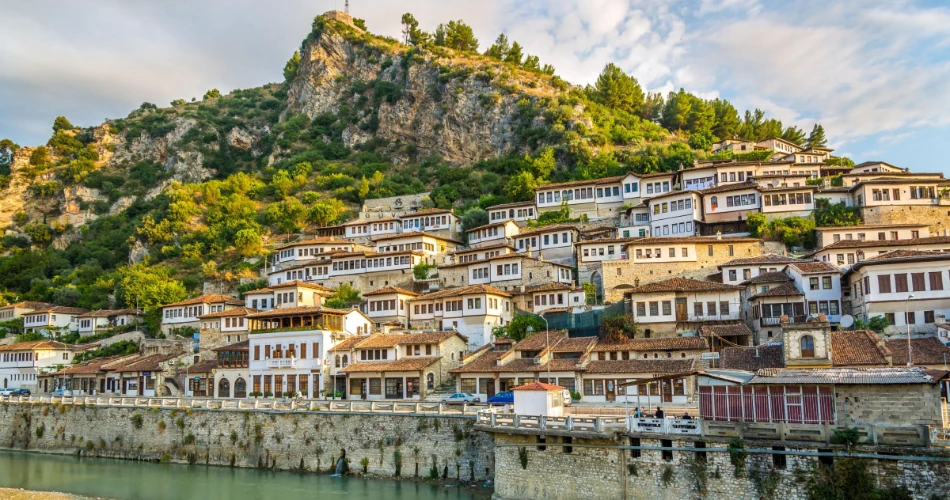
The Historic Centre of Berat in Albania is a UNESCO World Heritage Site famous for its exceptional Ottoman past and architecture. Also nicknamed “City of a Thousand Windows,” the place’s white painted houses with huge windows are a must-see. Want to see an ancient castle? Then explore the Berat Castle, this castle was constructed in the 13th century and is still home to locals and provides mesmerizing vistas of the nearby Osum River valley. As you step into the castle, you can explore and walk through the Onufri Museum, which has many Orthodox items to look at. Moreover, the Gorica and Mangalem quarters represent Christianity and Islamic culture altogether. As you walk along, you may witness many streets packed with mosques and churches, along with wooden traditional constructions.
Fun fact: This city really loves its windows — so if you don’t like sunlight, Berat might not be your vibe.
Rila Monastery, Bulgaria
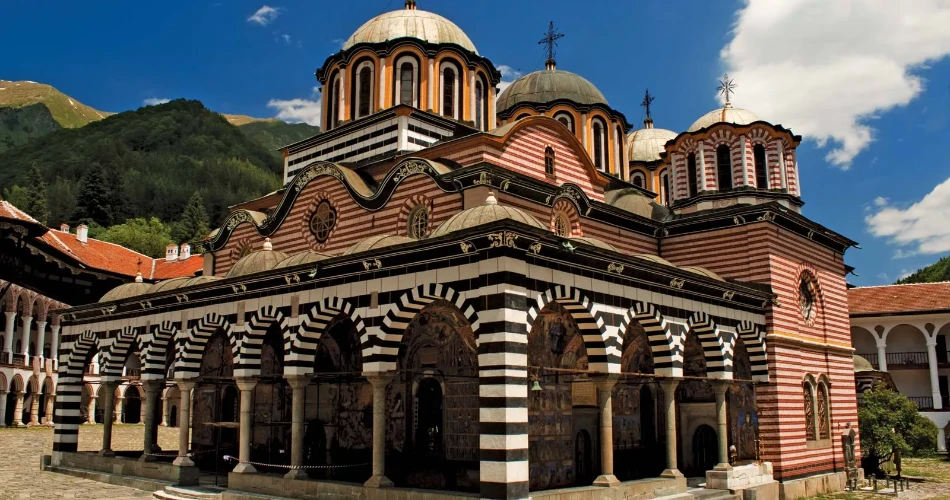
In Bulgaria, you will find the famous Rila Monastery, a UNESCO site because of its great history and traditions. The monastery was established back in the 10th century, and is significant because it assisted in the preservation of the religion and the Bulgarian language during the Ottoman reign. The central church in the monastery features attractive ceilings, a wooden templon, and an impressive dome structure. There is also a museum there, where you can see the church's treasures and unique items. The location is ideal for hiking as it is bordered by many forest regions and mountains.
Hiking boots recommended, but don’t try to outrun any monks.
Trogir, Croatia
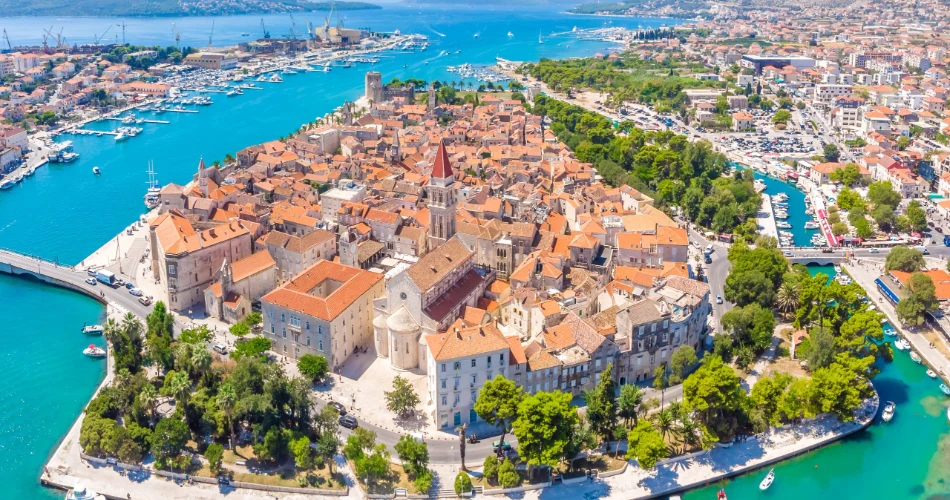
This beachside town in Croatia was designated as a UNESCO World Heritage Site in 1997 because of its beautiful old framework. Fun fact: the entire city is basically built above an island and is linked by bridges. Strolling along the streets of Trogir teleports a person back in time with impressive old buildings and stone streets. One of the key attractions here is the Cathedral of St. Lawrence, built in the 13th century. You can also explore the Kamerlengo Fortress by the sea for beautiful views and Instagram photos.
Warning: May cause intense wanderlust.
Kronborg Castle, Denmark
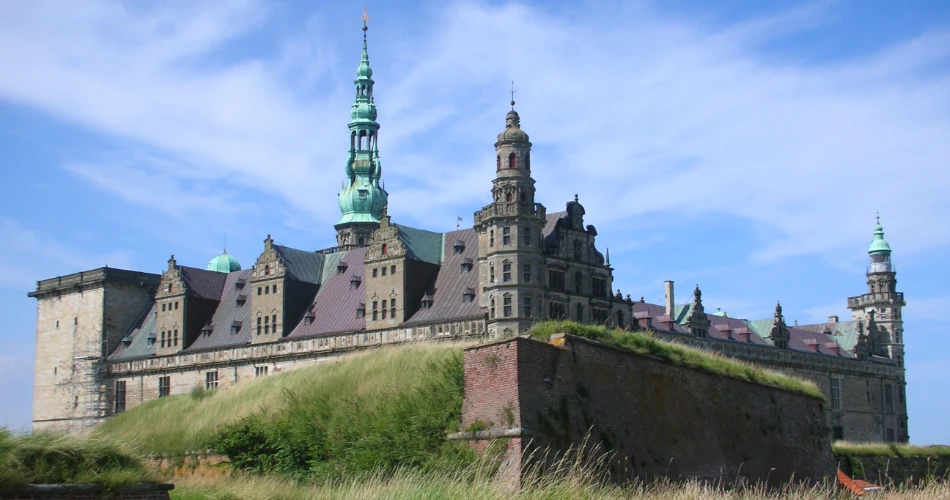
Denmark is one of the peaceful countries in Europe, and home to Kronborg Castle in Helsingør. Kronborg Castle is a UNESCO World Heritage Site that was constructed back in the 16th century and is a significant neo-classical structure in northern Europe. Everyone is aware of the impressive works of Shakespeare, right? So, have you ever read Hamlet? It was inspired by the castle’s setting. As you enter the castle, you can see a huge ballroom, royal rooms, and basement casemates where warriors once resided. The castle offers gorgeous views of the sea and is perfect for history lovers.
Pro tip: No need to practice your “To be or not to be” speech aloud—although it’s encouraged.
Fortress of Suomenlinna, Finland
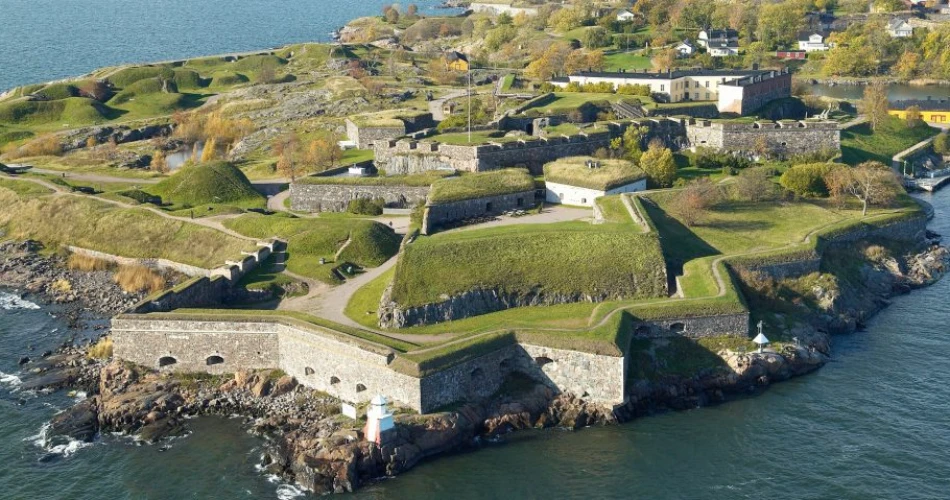
This impressive fortress in Finland is a UNESCO World Heritage Site, and the best part about it is that it extends over 6 islands near Helsinki, surprised? Sweden was the one that founded this fortress in the 18th century, the reason? They wanted to protect themselves against the invasive Russian attacks. The Fortress of Suomenlinna is a key example of how the European military worked back then. The fortress has tunnels, old weapons, and many stone walls. In the modern era, Suomenlinna is home to many locals, eateries, museums, and parks. Want to learn more about the history of the fortress? Explore Suomenlinna Museum, which tells you all about its key role in Finnish, Russian, and Swedish fights.
Bonus: It’s the only fortress where you might accidentally bump into a local and a duck at the same time.
Alhambra, Spain
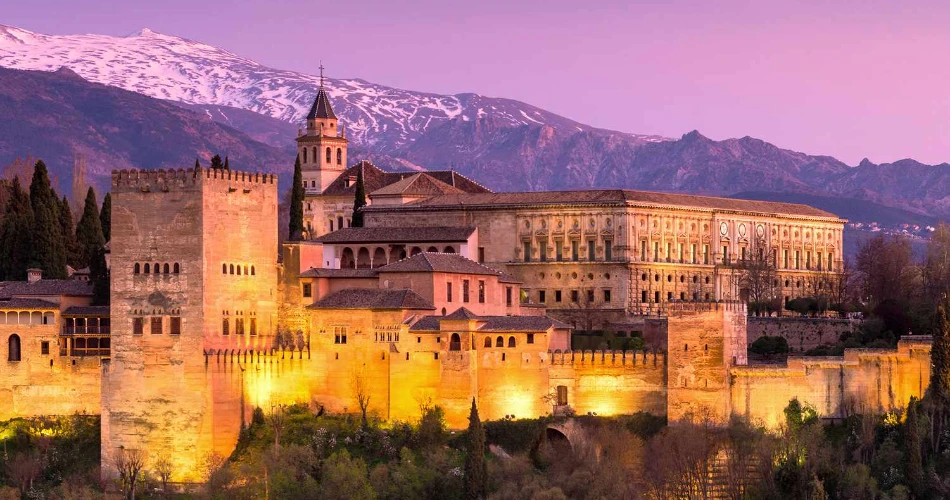
Situated in the city of Granada in Spain, the Alhambra is famous for its Islamic framework. Constructed in the 13th century (yes, it is very old) by the Moors, this place was a royal fortress and palace, and now one of the best UNESCO World Heritage Sites in Europe. The famous locations here include the Nasrid Palaces, which feature beautiful gardens with fountains and greenery, stone walls, and impressive carvings. The oldest part in the whole city is the Alcabaza; visiting it is like reliving history again, just with better views of the cityscape. Tourists can also see the Palace of Charles V, which has a neo-classical structure and is a treat to one’s eyes.
Try not to get lost in the gardens, unless you want to pretend, you’re in a medieval movie.
Fontainebleau, France
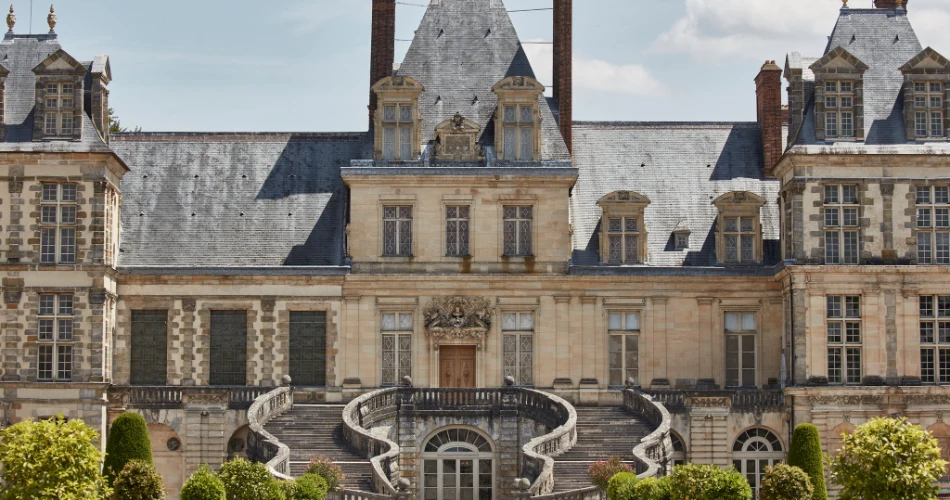
This hidden UNESCO World Heritage Site is located on the southeastern side of Paris. It served as a royal accommodation for French rulers once, and features impressive artwork and framework. The Château de Fontainebleau has about 1500 rooms total (yes, you can get lost), with gorgeously decorated ballrooms, staircases, and apartments of the renowned King Francis I. The bordering garden lawns are perfect for romantic walks and family-friendly picnics. Fun fact: Fontainebleau had an important role in the political past of France, like the abdication of Napoleon in the early 18th century.
If walls could talk, these would gossip about some serious royal drama.
Pont du Gard, France
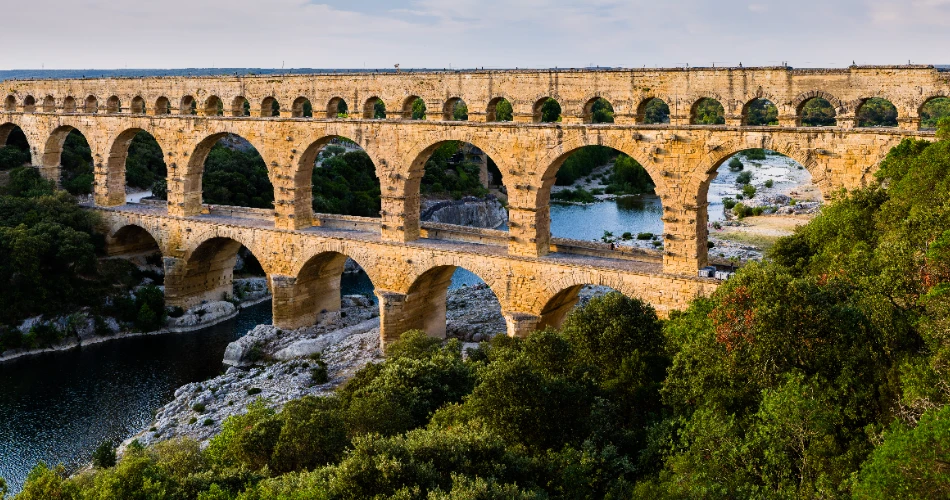
Pont Du Gard in Southern France is a Roman water bridge that is listed as a UNESCO World Heritage Site. This 50-meter-tall structure was constructed back in the 1st century and used to carry water over 50 km to supply the Roman metropolis. This aqueduct is constructed from many limestone blocks, and people can stroll along this structure to get further knowledge about its framework. For more history and how ancient Roman mechanisms used to work, head to the nearby museum. The bordering area of the aqueduct provides many fun swimming and hiking opportunities along the expansive Gardon River.
Swim, hike, and marvel at how the Romans got their water game on long before pipes were cool.
Meteora, Greece
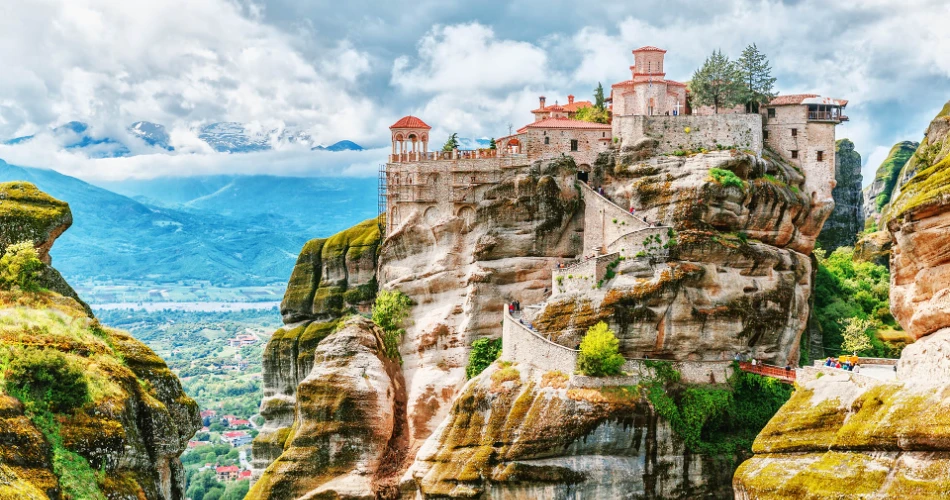
Meteora means “floating in the air” and is located in central Greece. It is famous as a UNESCO World Heritage Site and has many monasteries constructed on huge rock pillars, impressive. The location was given the name because it offers gorgeous vistas of the city. The monks in the 14th century began to construct monasteries at this place to protect themselves from invasions. In the modern period, only six of these monasteries remain and are open to the public for exploration. You can hike for an adventure between them or take day trips along the outstanding mountain routes. Inside the monasteries, you can see chapels, ancient items, and incredible ceilings.
Perfect for anyone who wants to mix spiritual vibes with some serious cardio.
Region of Kotor, Montenegro
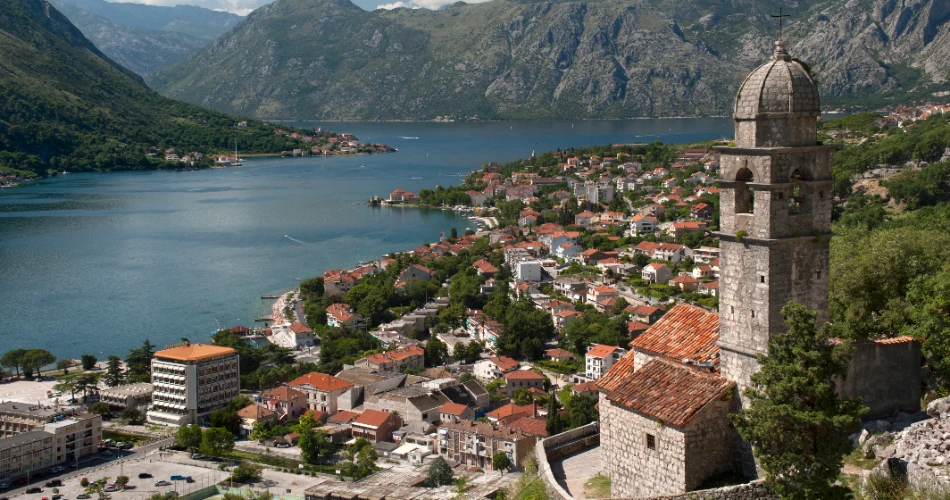
On the Adriatic shoreline of Montenegro, you will find the Region of Kotor, a remarkable UNESCO World Heritage site. The area is famous for its old structures and natural bays. The Old Town of Kotor is packed with interesting squares, churches, and stone streets alongside ancient stone walls that have been preserved wonderfully. A key landmark at this place is the renowned Cathedral of Saint Tryphon, which is actually centuries old and perfect for pics. Want some good views of the town? Ascend to the Fortress of San Giovanni; it does require stamina to reach the top, but the views make up for it. The bay of Kotor is perfect for those family-friendly boat trips and romantic strolls.
Warning: The climb to the fortress may make you question all your life choices—but the views will forgive you.
In a nutshell
The above-mentioned are some of the best UNESCO sites in Europe; they are filled with fun things to do and interesting historical places to visit. These places deserve to be on your travel bucket list this summer.
Next post Top 10 Seaside Towns in Southern Europe for a Relaxed Getaway
Previous Post Italy vs. France: Which European Destination Is Right for You?
About Author